
"Sub-Saharan Africa"
46 article(s) found

Nestle's sales reached 91.4 billion Swiss francs last year, with Starbucks contributing part of the results
Professional coffee knowledge exchange More coffee bean information Please pay attention to coffee workshop (Weixin Official Accounts cafe_style) February 14, the world's largest food manufacturer Nestle released 2018 results show that its sales of 91.4 billion Swiss francs, an increase of 2.1%; net profit of 10.1 billion Swiss francs, an increase of 41.6% year-on-year. And get Starbucks product sales rights, China and the United States

Flavor and taste characteristics of coffee manor in Kenya introduction of fine coffee beans
The Kenyan flag is based on the Kenyan flag and the Kenyan flag based on the flag of the African National Union of Kenya before independence. It is rectangular, with a ratio of length to width of 3:2. From top to bottom, it is made up of three parallel horizontal rectangles of black, red and green, with a white edge above and below the red rectangle. The pattern in the middle of the flag is a shield and two crossed spears. Black symbolizes Ken.

A brief introduction to the cultivation of boutique coffee beans in Angola, which are almost impossible to buy, geography, climate, altitude.
In the 1970s, Angola produced about 180000 tons of commercial coffee per year. With an area of 161000 hectares and an annual output of 99550 tons, Uige Province is the largest coffee grower.

Consistent Angola Fine Coffee Bean Origin History and Culture Introduction
Angola was once one of the world's largest coffee producers, with a record coffee production of 225,000 tons in 1974. But Angola's coffee production fell sharply after a 27-year civil war broke out after independence in 1975. The first batch of Angola coffee exported to the United States-11 tons in total-has arrived in the country, Angola's ambassador to the United States, Agostinho Tavares, told the daily Angola in New York on Monday.

A brief introduction to the cultivation of high-acidity Angolan boutique coffee beans, geographical location, climate and altitude
The origin of coffee in Angola: 98% of the coffee in Angola (Angola) is Roberts coffee. The best brands in Angola used to be Ambriz, Amborm and NovoRedondo, all of which are known for their consistent quality. Angola was once one of the largest coffee producers in the world, with coffee production reaching a record 22.5 in 1974

A brief introduction to the treatment method of grinding degree and baking degree of fine coffee beans in Angola, once a big coffee country.
According to officials, Angola's coffee production is expected to reach 4000 tons in 2006, an increase of 34 percent over 2005. Coffee production increased by 1000 tons between 2005 and 2006. The major coffee producing provinces are Kwanza Sul, Bengo, Kwanza North and Uige.
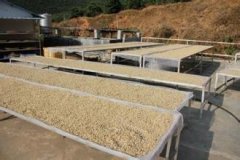
A brief introduction to the Market Price of High acidity Fine Coffee Bean varieties in Angola
Angolan Agriculture Minister Afonso Pedro Kanga revealed that Angolan coffee production this year is expected to double that of last year to 12000 tons. In 2008, in order to regain its status as a major coffee producer in the world, the Angolan government introduced a plan to receive a preferential micro-loan of US $5000 per farmer to grow coffee. Origin of coffee in Angola: 98% of coffee in Angola (Angola) is Luo

A brief introduction to the market price of high-quality Angolan boutique coffee beans
In analyzing the global financial crisis and the situation in the international coffee market, Sako said that there are still gaps in the international coffee market, and Angolan coffee should not only increase its output, but also improve its quality, so that it can really fill the supply gap. Angolan Agriculture Minister Afonso Pedro Kanga revealed that Angolan coffee production this year is expected to double that of last year to 12000 tons. In 2008, to recapture the world

A brief introduction to the Market Price of Fine Coffee Bean varieties in Angola, once a Big Coffee country
The origin of coffee in Angola: 98% of the coffee in Angola (Angola) is Roberts coffee. The best brands in Angola used to be Ambriz, Amborm and NovoRedondo, all of which are known for their consistent quality. Angola was once one of the largest coffee producers in the world, with coffee production reaching a record 22.5 in 1974

A brief introduction to the flavor, taste and aroma characteristics of high quality Angolan boutique coffee beans
Angolan Agriculture Minister Afonso Pedro Kanga revealed that Angolan coffee production this year is expected to double that of last year to 12000 tons. In 2008, in order to regain its status as a major coffee producer in the world, the Angolan government introduced a plan to receive a preferential micro-loan of US $5000 per farmer to grow coffee. Angola used to be one of the largest coffee producers in the world, producing coffee in 1974
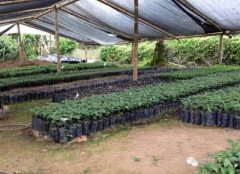
A brief introduction to the cultivation of high-quality Angolan boutique coffee beans, geographical location, climate and altitude
The Secretary-General of the African Coffee Organization (Coffee Organization), Joseph Farrayasarko, said on the 10th that Angola is expected to regain its status as a major coffee producer in the world due to the launch of a nationwide coffee planting campaign. In analyzing the global financial crisis and the situation of the international coffee market, Sako said that there are still gaps in the international coffee market. Angolan coffee should not only improve its output, but also its quality.

A brief introduction to the history and culture of the origin and development of high-acidity Angolan boutique coffee beans
The origin of coffee in Angola: 98% of the coffee in Angola (Angola) is Roberts coffee. The best brands in Angola used to be Ambriz, Amborm and NovoRedondo, all of which are known for their consistent quality. Angola was once one of the largest coffee producers in the world, with coffee production reaching a record 22.5 in 1974

A brief introduction to the consistent description of flavor, taste and aroma characteristics of Angolan boutique coffee beans
The Angolan government has also decided to promote improved varieties of coffee according to local conditions. According to information released by the Angolan Coffee Agency, fine coffee is more suitable for cultivation in most provinces of Angola and is the first choice for large-scale promotion by the government. At the same time, Angola will also introduce coffee seeds from Brazil and Costa Rica. Officials say Angola's coffee production is expected to reach 4000 tons in 2006, compared with 2005.
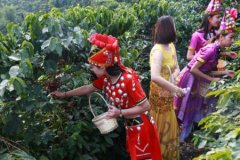
A brief introduction to the flavor, taste and aroma characteristics of Angolan boutique coffee beans, once a big coffee country
The Angolan government is currently working on a development plan to revitalize coffee production in order to restore coffee production across the country to the level of the 1970s. Manuel Dias, director of the Angolan Coffee Agency, recently told the local press that the Angolan government's plan mainly includes expanding growing areas, increasing investment, working hard to support coffee farmers and promoting fine varieties. Uige, Bengo

A brief introduction to the treatment method of grinding degree and baking degree of high-quality Angolan boutique coffee beans
The Secretary-General of the African Coffee Organization (Coffee Organization), Joseph Farrayasarko, said today that Angola is expected to regain its position as a major coffee producer in the world due to the launch of a nationwide coffee planting campaign. In analyzing the global financial crisis and the situation of the international coffee market, Sako said that there are still gaps in the international coffee market. Angolan coffee should not only improve its output, but also its quality.

With the climate warming, coffee is facing the double threat of the loss of arable land and the reduction of bees.
Professional baristas exchange please follow the coffee workshop (Wechat official account cafe_style) the total amount of land suitable for coffee farming is expected to decline by 73% to 88% by 2050, the lead author told carbon brief. Most importantly, bees play a key role in pollinating coffee plant species that can incidentally be as high as 18% due to climate change. This study is the first to be investigated.

A brief introduction to the cultivation of boutique coffee beans in Angola, a former coffee country, geographical location, climate and altitude
Angolan Agriculture Minister Afonso Pedro Kanga revealed that Angolan coffee production this year is expected to double that of last year to 12000 tons. In 2008, in order to regain its status as a major coffee producer in the world, the Angolan government introduced a plan to receive a preferential micro-loan of US $5000 per farmer to grow coffee. Angola used to be one of the largest coffee producers in the world, producing coffee in 1974

A brief introduction to the history and culture of the origin and development of fine coffee beans in Angola, once a big coffee country.
The Angolan government is currently working on a development plan to revitalize coffee production in order to restore coffee production across the country to the level of the 1970s. Manuel Dias, director of the Angolan Coffee Agency, recently told the local press that the Angolan government's plan mainly includes expanding growing areas, increasing investment, working hard to support coffee farmers and promoting fine varieties. Uige, Bengo
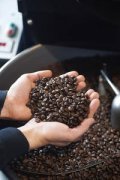
A brief introduction to the history and culture of the origin and development of Angolan boutique coffee beans that are almost impossible to buy.
Angola was once one of the largest coffee producers in the world, with coffee production reaching a record 225000 tons in 1974. However, as a result of the 27-year civil war that broke out after independence in 1975, Angolan coffee production fell sharply, Angola's ambassador to the United States, Agostinho Tavares, told Angolan daily newspaper Jornal de Angola on Monday in New York that the first batch of Angolan coffee exported to the United States (a total of 11 tons) had arrived in the country.

Kopi Luwak denied Certification: the Dark Secret of the World's most expensive Coffee
Professional barista communication Please pay attention to the coffee workshop (Wechat official account cafe_style) the raw material of civet coffee is coffee beans collected from civets' feces, but this is not good for civets. Captive civets sometimes only eat coffee fruits, but they also eat fruits, insects and reptiles in the wild. PHOTOGRAPH BY ULET